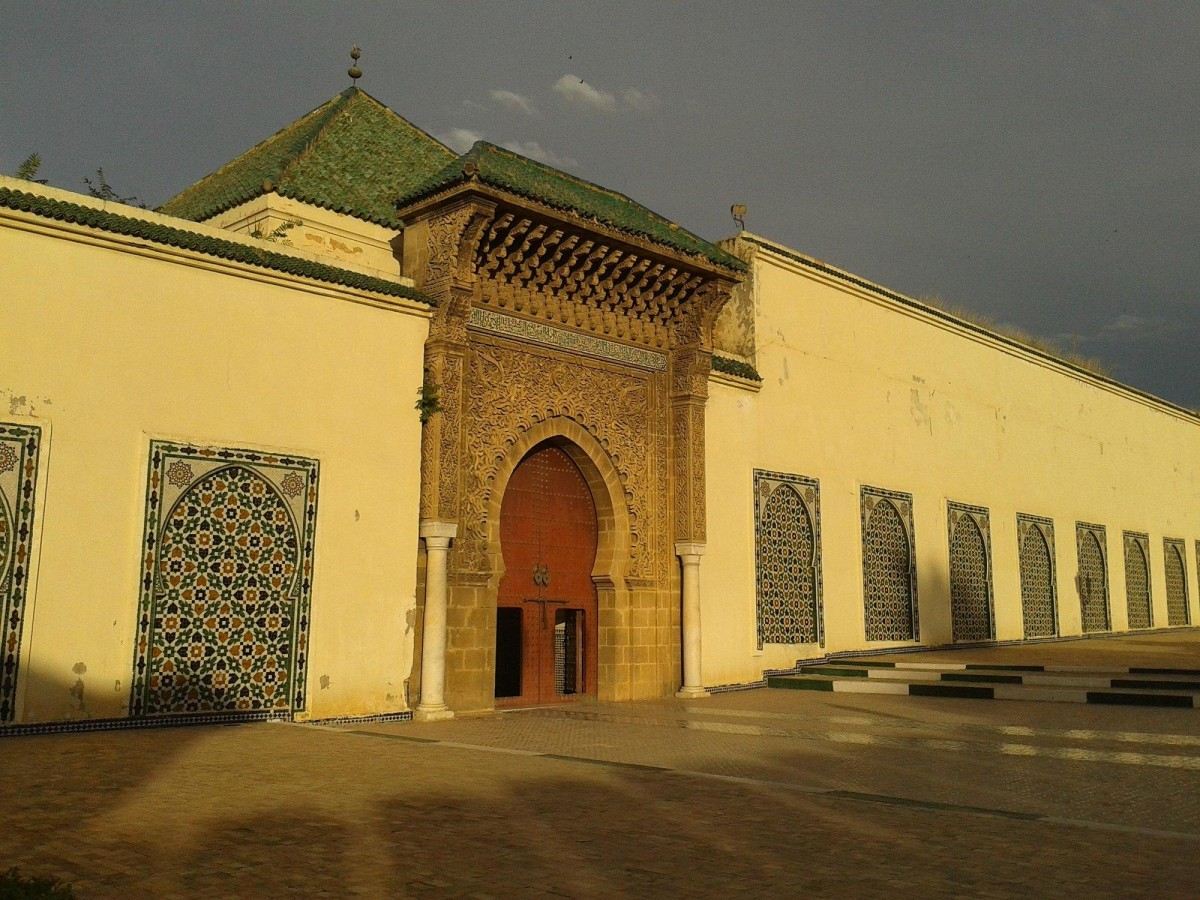
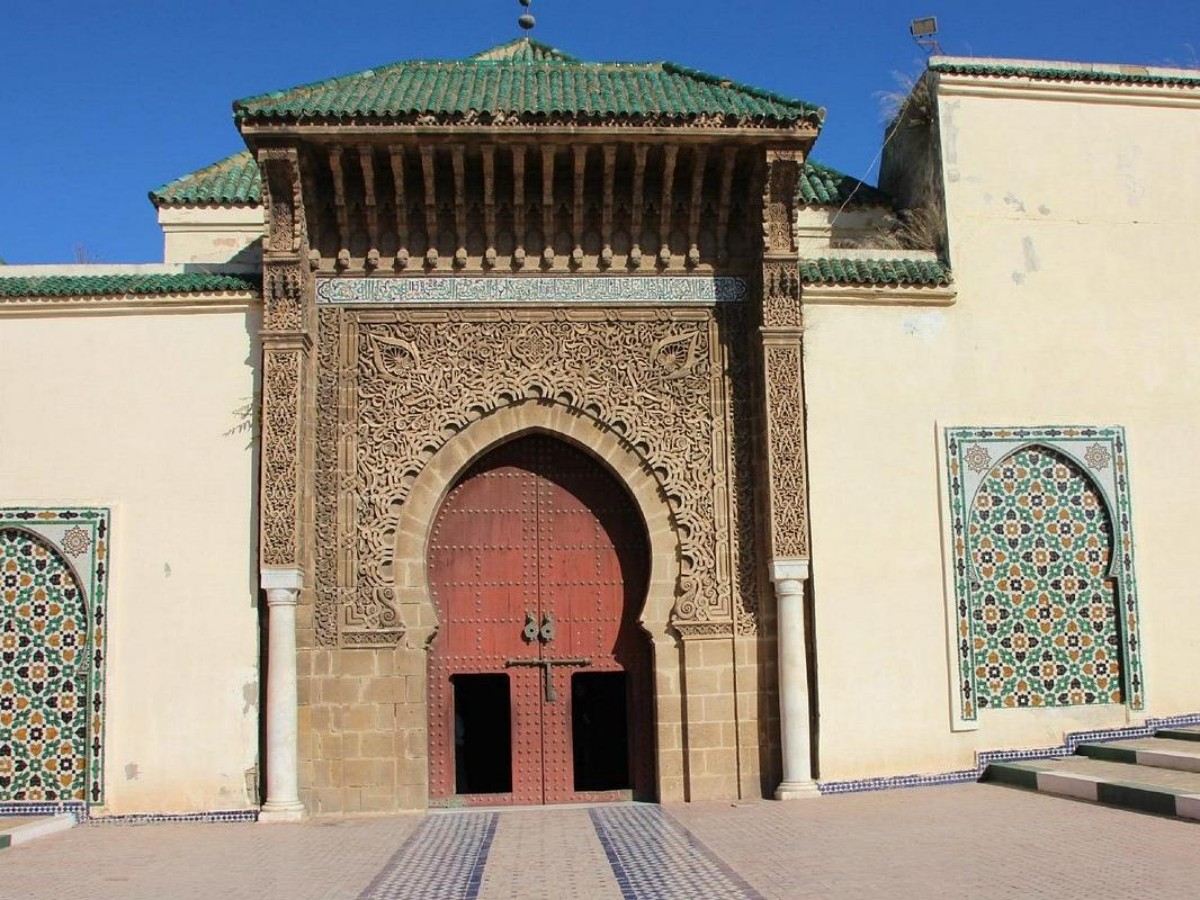
In the ancient city of Meknes in northern Morocco, a mausoleum has stood silently for three centuries. It does not have the gilded dome of the Palace of Versailles in Paris, nor the fountain court of the Summer Palace in St. Petersburg, but it interprets "flaunting wealth" in another almost arrogant way - using the neighing of 12,000 war horses, the dome decorated with 500 kilograms of gold, and the legend of a sultan and 867 children, the symbol of power and wealth is engraved into every stone brick. This is the Mausoleum of Moulay Ismail, an architectural miracle nicknamed "the royal tomb on the stable of North Africa".
Advertisement
Meknes in the 17th century was the heart of the Alaouite dynasty in Morocco. Sultan Moulay Ismail, the iron-fisted ruler who reigned for 55 years, moved the capital from Fez to this place and started a crazy "infrastructure carnival". He ordered the construction of a 30-hectare royal stable that could feed 12,000 war horses at the same time - a number equivalent to the total strength of the entire European cavalry at the time. The vault of the stable is made of cedar wood and marble, and the underground culvert draws springs from the Atlas Mountains. Each horse has a separate gilded trough. What's more exaggerated is that the oats and barley stored in the granary are enough for these war horses to enjoy for 15 years, and the wine aged in the underground wine cellar is enough to fill three Olympic standard swimming pools.
Advertisement
This obsession with horses is essentially a metaphor for power projection. In the Islamic world, war horses are not only a symbol of military power, but also a concrete expression of the Sultan's authority. Ismail knew this well. He required that the stable must emit neat horse hoof sounds every morning, as if announcing to the entire empire: "Look, my wealth is enough to feed an inexhaustible army." And his mausoleum was built between the stable and the granary, as if he would be inseparable from these "wealth totems" from birth to death.
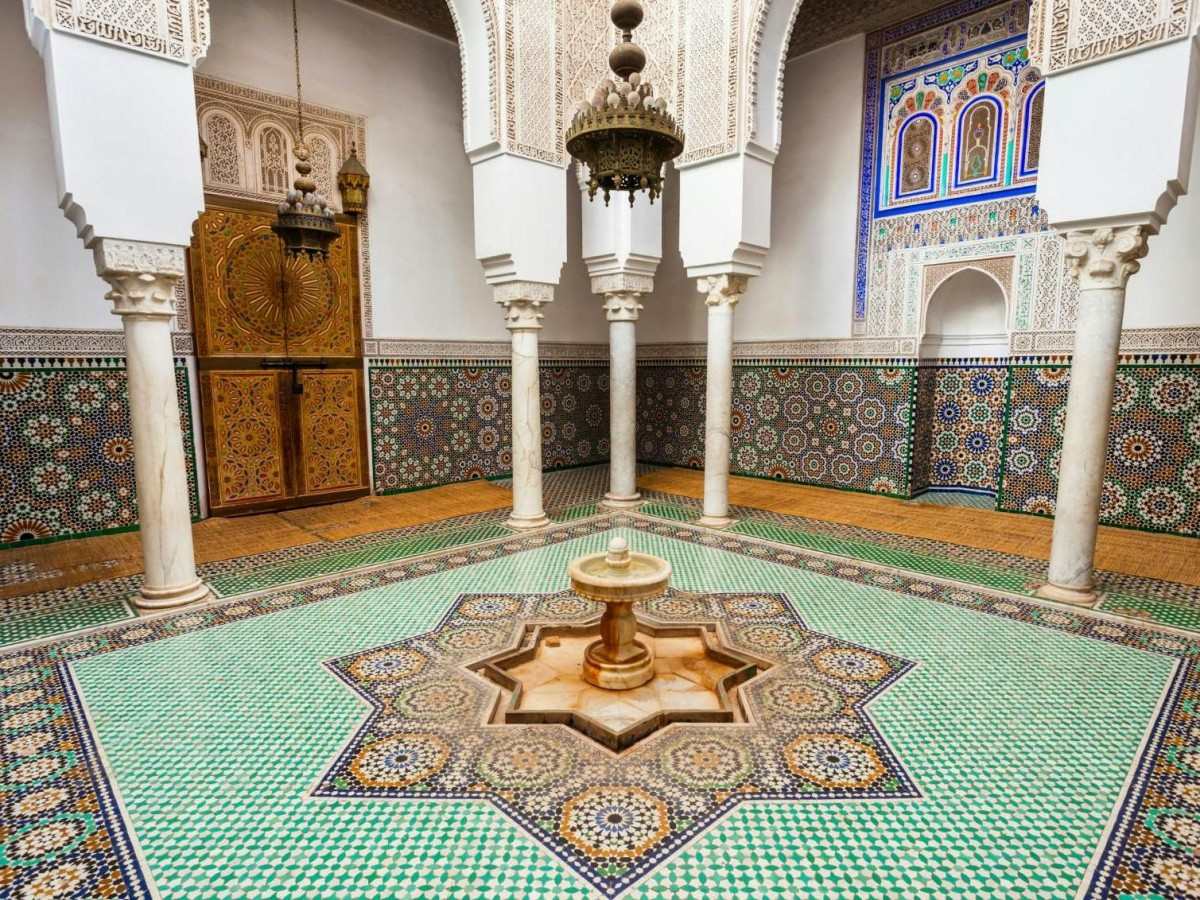
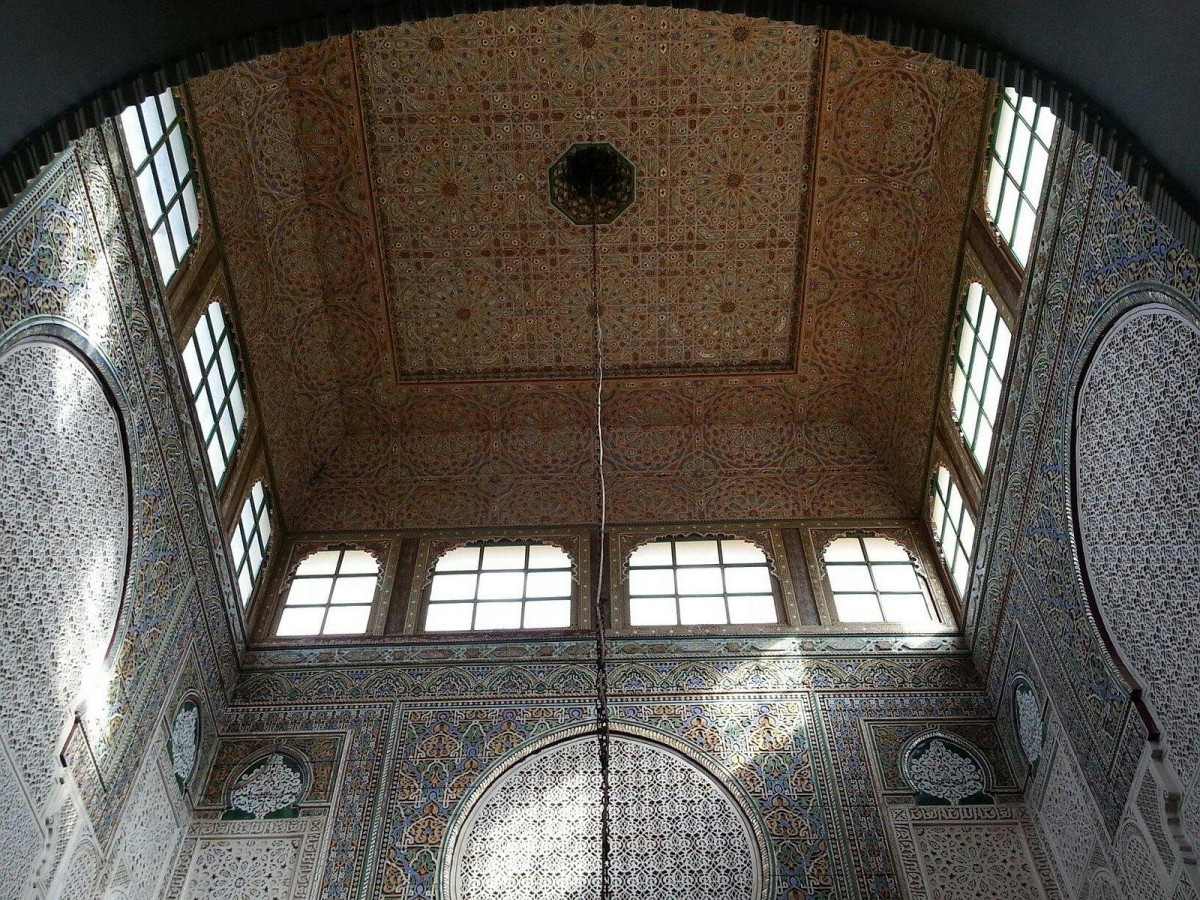
Walking into the mausoleum courtyard, you will be instantly enveloped by a strange sense of luxury. White marble columns support the hollow carved dome, and the sun shines through the geometric wooden grilles, drawing flowing light spots on the ground. But what is really breathtaking is the design of the indoor tomb: the entire wall is covered with Iznik glazed tiles, 24K gold foil outlines the verses of the Koran, the central coffin is carved from a whole piece of alabaster, and the four corners are inlaid with enamel clocks presented by Louis XIV - this clock is still moving, as if counting the amazement of all visitors over the past three centuries.
Advertisement
This decorative style is a wonderful fusion of Moorish aesthetics and European Baroque. Ismail's architects cleverly combined the honeycomb vaults of the Alhambra Palace in Granada, Spain, with the mirror reflection principle of the Hall of Mirrors in the Palace of Versailles in France, creating a unique effect of "making light a decorative material." More secret details of showing off wealth are hidden underground: Under the tomb is an intricate water supply system, with bronze pipes that lead spring water from the Atlas Mountains to various parts of the mausoleum. This technology was a full century earlier than the water diversion project in Paris.
Today, Ismail's grand vision is continuing in another way. The devastating earthquake in the 18th century reduced the roof of the royal stables to dust, but it unexpectedly created a unique ruin aesthetic. The remaining arch skeleton casts a long shadow in the sunset, becoming a paradise for photography enthusiasts. And those gilded mangers that once amazed European envoys are now mostly displayed in the British Museum and the Louvre, with labels saying "witness to the golden age of Morocco."
The mausoleum itself is also undergoing modern deconstruction. The renovation project launched in 2016 accidentally discovered a complete 17th-century water supply system drawing hidden underground. This "Moroccan Water Supply and Drainage Blueprint" drawn on parchment is now listed as a world memory heritage by UNESCO. When tourists stand in front of the restored fountain, they see not only the stacking of gold and marble, but also an empire's obsession with eternal rule.
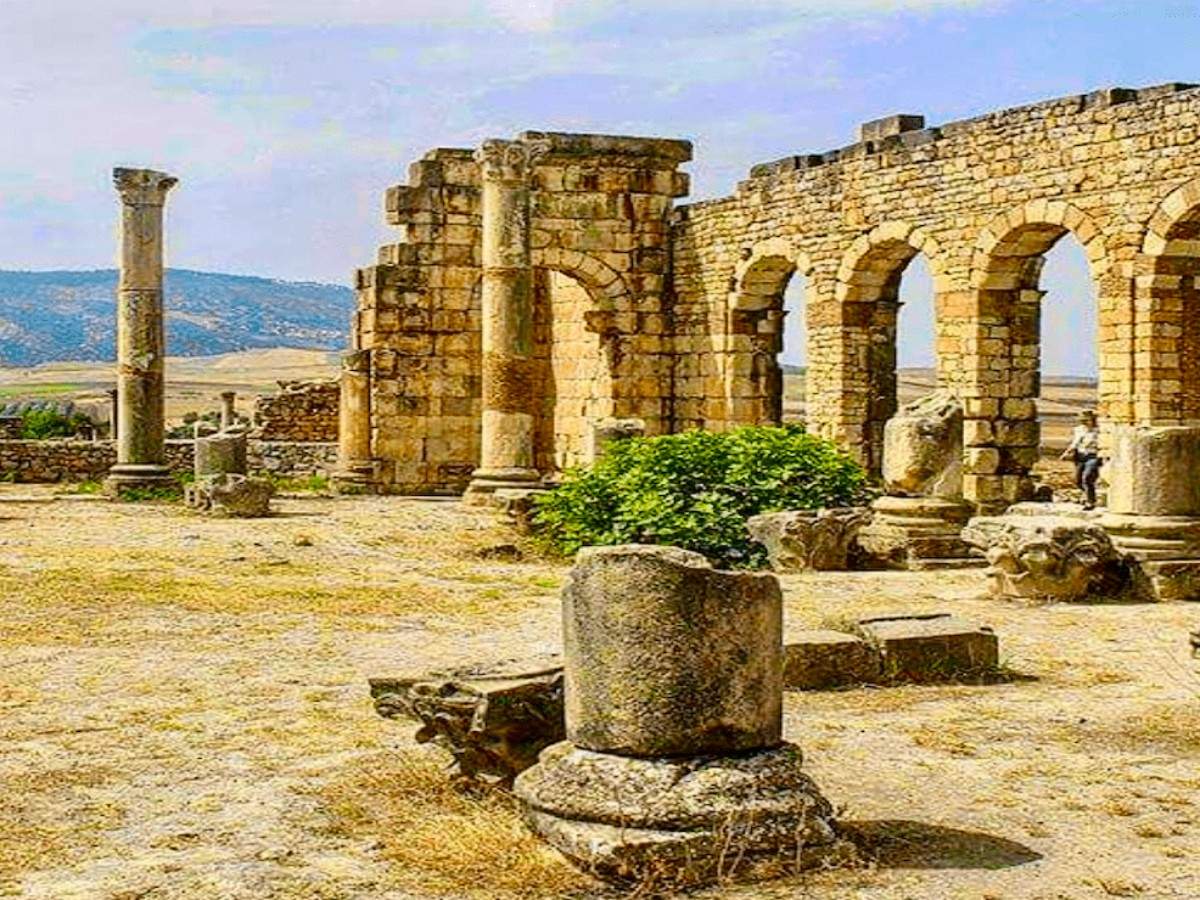
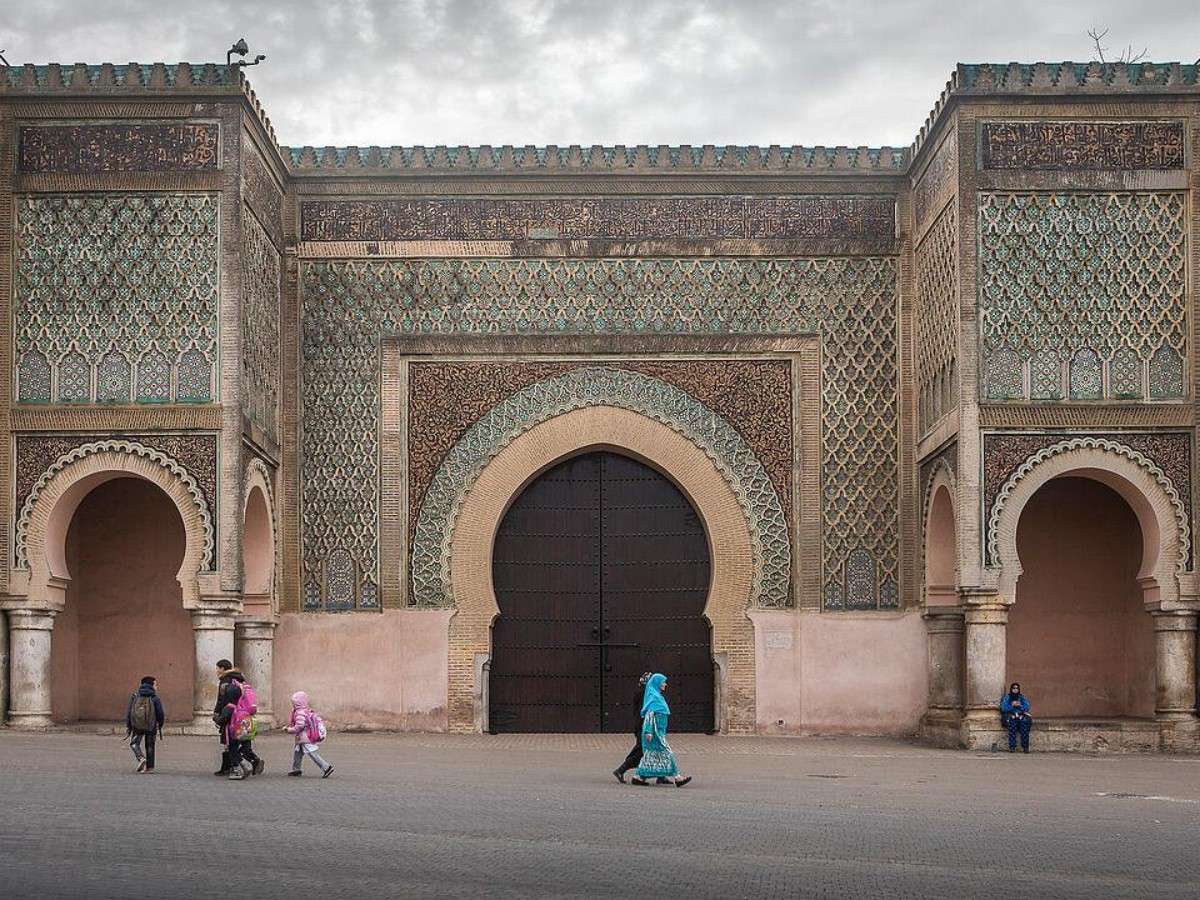
In the twilight of Meknes, the indigo color of the Bab Mansour Gate gradually deepens. The lintel of this building, certified by Guinness as the "world's largest city gate", is still inlaid with marble capitals removed from the Roman ruins of Volubilis - just like Ismail's ruling philosophy, always seeking a balance between conquest and show-off. And his mausoleum, a monument made of neighing war horses and golden light, is still reminding the world that the real "Versailles-style ostentation" is never a simple accumulation of luxury, but the transformation of wealth into a power narrative that transcends time and space.